Core Differences That Actually Matter
Understanding the key distinctions between American and European roulette is essential if you’re aiming to play smart rather than go in blind. While both versions share core gameplay elements, subtle structural differences can dramatically affect your odds and ultimately, your bankroll.
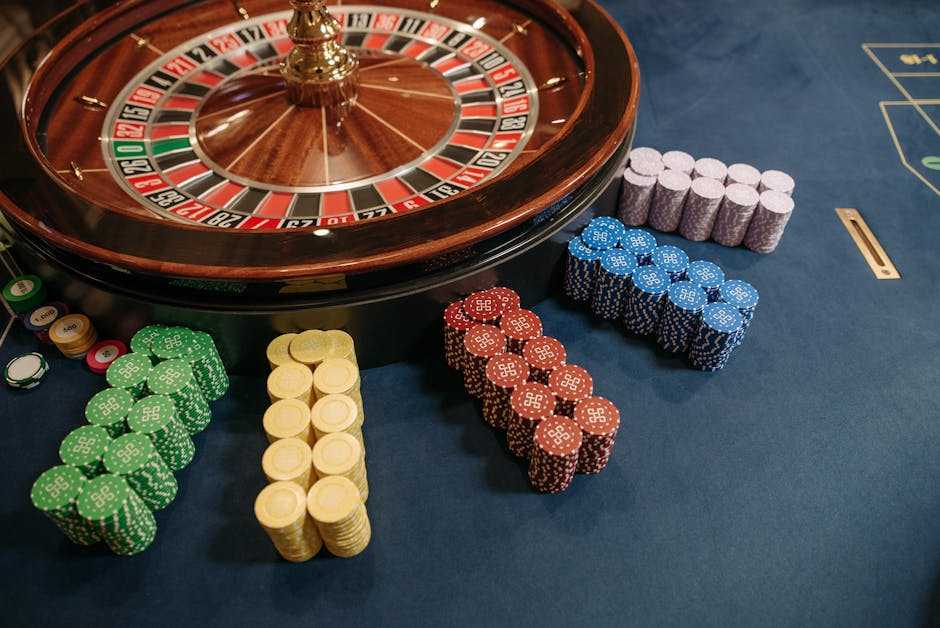
Wheel Layout: A Key Visual Difference
American Roulette: 38 pockets total
Numbers 1 36
A single zero (0)
A double zero (00)
European Roulette: 37 pockets total
Numbers 1 36
A single zero (0)
That one extra pocket (’00’) in American roulette may seem small, but it increases the house advantage and shifts the odds in favor of the casino.
The Impact of the Extra ’00’
The inclusion of ’00’ in American roulette means an extra non number space for the ball to land especially relevant on even money bets like red/black or odd/even. This extra slot doesn’t benefit players and makes winning slightly harder.
In European Roulette: You have 1 losing pocket out of 37 on single number bets
In American Roulette: You have 2 losing pockets out of 38
This makes seemingly small bets statistically less profitable in the American version
House Edge Comparison: Favoring the European Wheel
The house edge is a critical metric it reflects how much the casino expects to make over time.
American Roulette House Edge: 5.26%
European Roulette House Edge: 2.7%
That’s nearly a 50% increase in the casino’s favor when playing American over European roulette. For players, this means European wheels offer better long term value and give your bets more staying power.
Bottom Line
If you’re playing with strategy in mind, the European wheel is the mathematically smarter choice. The reduced house edge translates to longer play time, better odds, and a stronger chance of walking away with profit.
Breaking Down the Odds
Every Pocket Changes the Game
Roulette may look like a game of chance and it is but each variation comes with a critical difference: the number of pockets on the wheel. As those numbers shift, so do your odds.
American Roulette features 38 pockets (numbers 1 36, 0, and 00)
European Roulette has 37 pockets (numbers 1 36 and a single 0)
That single extra slot the double zero (00) substantially changes your probability of winning. Fewer slots mean better odds for players over time.
Comparing House Edges
The house edge is the built in advantage that every casino holds over the player. Here’s how the two wheel versions compare:
American Roulette house edge: 5.26%
European Roulette house edge: 2.7%
The difference might not sound huge at first glance, but over dozens or hundreds of spins, it adds up especially for consistent players.
What This Means for Your Bankroll
Choosing the right version of roulette can directly affect how long your money lasts at the table:
European wheels offer better long term value due to the lower house edge.
With American wheels, your bankroll depletes faster over time unless luck or strategy work consistently in your favor.
While both versions offer excitement, understanding the math behind the wheel helps you make smarter decisions at the table.
Table Design and Game Flow
At first glance, a roulette table looks the same wherever you go but the differences run deeper than layout. Start with the wheel itself: in European roulette, the dealer typically spins the wheel clockwise and launches the ball counterclockwise. American wheels spin the same way, but the number sequence is different. That quirky layout is more than visual clutter; it subtly shifts the experience, especially for players who try to track numbers or bet based on wheel sectors.
Table markings are another story. European tables usually have a more minimal layout, with chips stacked differently and bet zones clearly separated. American tables, on the other hand, tend to look busier more color, more bet options front and center, and sometimes different chip designs depending on the casino’s policy.
And if you’re hopping between regions, pace matters. American tables often run faster, especially in places like Vegas, where table turnover needs to be quick. European tables? They can be slower, with longer pauses between spins. It’s a small thing, but that tempo shift can either work in your favor or throw off your rhythm, depending on how you like to play.
Choosing the Right Version

Sometimes, it’s not about squeezing every percentage point in your favor. It’s about the rush. The faster momentum of American Roulette, the sharp swings, the potential for high stakes drama all of it has a certain thrill European tables just can’t replicate. The extra ’00’ ups the house edge, sure. But that’s the tradeoff for a gameplay experience some players find way more exciting.
And then there’s nostalgia. Many casino regulars in the U.S. grew up playing American style wheels. It’s familiar. It’s what they know. If you’ve built your instincts around the tempo and rhythm of American Roulette, switching to the European wheel can feel… off.
Luckily, you don’t have to commit blind. Plenty of online platforms let you test drive both versions without putting your bankroll on the line. Try sites like CasinoLab, TwinSpires Casino, or LeoVegas they offer demo modes where you can get a real feel for pacing, spin variance, and table layout. Dip into both versions, see which suits your energy, and go from there.
Smart Betting Strategies for Both Types
If you’re serious about stretching your playtime or even walking away ahead now and then, you’ve got to be strategic. Two systems always come up in the roulette world: Martingale and Fibonacci. Both rely on structured betting patterns meant to handle losses and maybe recover them but neither is magic.
The Martingale is all about doubling your bet after every loss. It’s simple and built for even money outside bets (like red/black). The upside? It feels like a fast track to recovery. The downside? If you hit a losing streak, your bankroll can burn out fast and table limits might stop your progression before you make your win back.
Fibonacci is slower and follows a sequence (1, 1, 2, 3, 5, etc.). You bump your bet based on the sequence after a loss, and scale back when you win. It’s a little gentler on the wallet than Martingale, but also slower to recover. Good for players who want less volatility but still crave structure.
Here’s the key: match your system to the wheel. European wheels with their lower house edge make recovery less punishing. American wheels (with the extra zero) make any negative progression riskier, so tread lightly if you go that route.
Also, no system wins in the long run without discipline. Know your limits, set a goal, and quit while you’re ahead. Because strategy matters but staying in control is what keeps you in the game.
Need a refresher? Check out this full breakdown of roulette betting options.
Pro Tips for Better Play
Smart roulette players know the real game starts before the ball drops. Bankroll management isn’t just a buzzword it’s the foundation. Set your limit before you sit down. Not just your max loss, but your session budget. Stick to fixed bet sizes if you’re new, or set a betting ceiling to keep your emotions in check. Don’t chase. The longer you play past your edge, the more house advantage wears you down.
Now, read the table. Online or in person, every game has a rhythm. Is the dealer spinning quickly? Are other players making frantic bets or calculated ones? A hot streak from a lucky number doesn’t mean it’s “due.” But flow matters. Ride momentum if you’re up, slow down if the pace feels erratic.
As for table selection, look for low minimums and single zero wheels. At physical tables, scout the crowd confident, chatty players often mean a relaxed pace and better longevity. Online, hunt down games with good UI, fast betting windows, and confirmed European odds. Short version: do your homework before betting. Knowing where to sit might matter more than what you bet.
Staying Sharp in the Long Run
Success at the roulette table isn’t just about luck it’s about mindset, discipline, and knowing when to quit. Even the most cleverly crafted betting system can’t beat the odds in the long run, but the right habits can tilt the experience in your favor.
Discipline Beats Luck
Riding hot streaks can be thrilling, but real roulette success comes from staying grounded. Discipline helps you avoid reckless mistakes, emotional decisions, and chasing losses.
Set a strict bankroll limit before you start playing
Stick to a stop loss and stop win threshold
Resist temptation after a big win or loss
Tracking Results Like a Pro
Seasoned players don’t rely on gut feelings they track their sessions over time to observe patterns in their behavior and outcomes.
Log session results: wins, losses, duration, and table type
Identify when you tend to make poor decisions (late night fatigue, high pressure environments)
Use data to refine your strategy not fool yourself into thinking patterns exist in a game of chance
Knowing When to Walk Away
One of the most important skills in roulette is the ability to step back whether you’re up or down. Staying too long at the table often leads to tilted decisions and unnecessary losses.
Walk away when your win goal is met
Quit after reaching your loss limit
Recognize emotional triggers: frustration, overconfidence, or boredom
Deep dive time: sharpen up with this essential guide to roulette betting options
Staying sharp isn’t about mastering the wheel it’s about mastering yourself. That’s what separates casual gamblers from confident, long term players.
 Rhondaxin Vivancoroon is the founder of Kickstart Play Hard, a premier platform dedicated to providing in-depth coverage of global casinos, poker, and sports. Based in Toledo, Ohio, Rhondaxin has leveraged their extensive knowledge and passion for gaming to create a trusted resource for enthusiasts worldwide. Under their leadership, the platform has become a go-to destination for accurate and engaging gaming content.
Kickstart Play Hard operates from 9 AM to 5 PM at 4809 Cedarstone Drive, Toledo, Ohio. For any inquiries, you can contact them at +1 419-471-2421. Rhondaxin’s vision and commitment continue to drive the platform’s success and growth in the competitive gaming landscape.
Rhondaxin Vivancoroon is the founder of Kickstart Play Hard, a premier platform dedicated to providing in-depth coverage of global casinos, poker, and sports. Based in Toledo, Ohio, Rhondaxin has leveraged their extensive knowledge and passion for gaming to create a trusted resource for enthusiasts worldwide. Under their leadership, the platform has become a go-to destination for accurate and engaging gaming content.
Kickstart Play Hard operates from 9 AM to 5 PM at 4809 Cedarstone Drive, Toledo, Ohio. For any inquiries, you can contact them at +1 419-471-2421. Rhondaxin’s vision and commitment continue to drive the platform’s success and growth in the competitive gaming landscape.