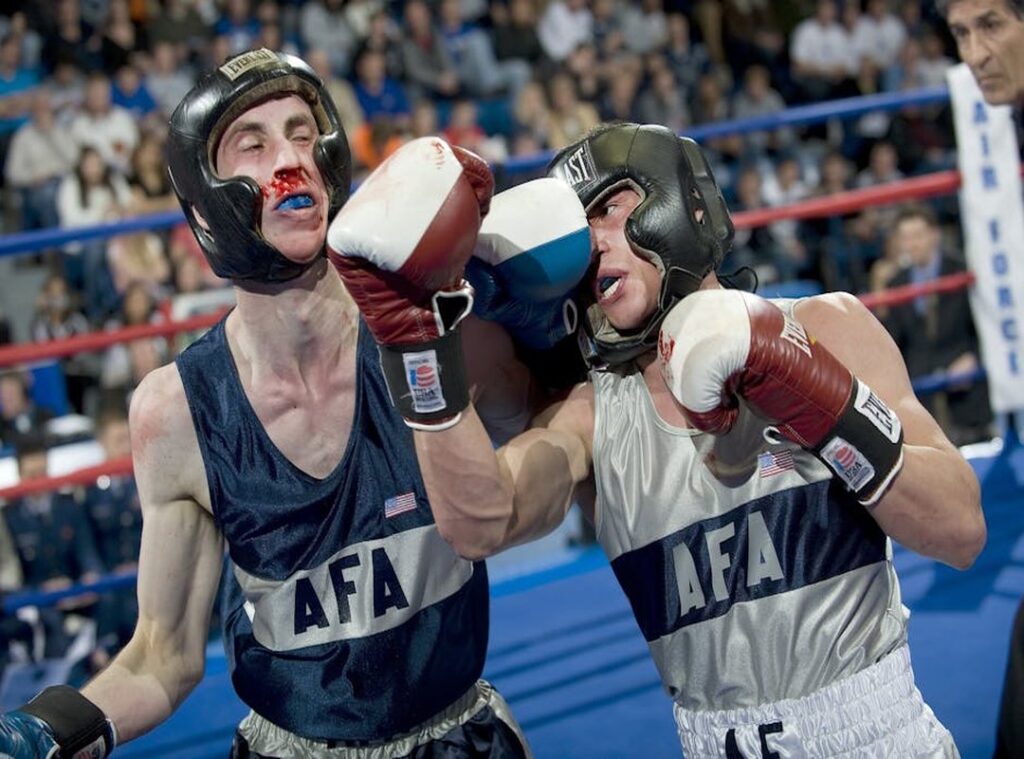
I remember my first time walking into a boxing gym.
Heart pounding. Smelling sweat and leather. Feeling like I belonged there (until) I saw the wall of gear.
What do I actually need? What’s just noise?
You’re not alone. Most beginners drop money on stuff they’ll never use. Or worse (skip) something key and get hurt.
This guide cuts through that. It tells you exactly what Sffareboxing gear matters for day one.
No fluff. No upsells. Just the bare minimum that keeps you safe and lets you train.
I’ve watched hundreds of new boxers make these same mistakes. Seen the same gear sit unused in lockers for months.
You don’t need ten pairs of gloves. You need one pair that fits right.
By the end of this, you’ll know what to buy (and) what to skip.
Gloves and Wraps: Your Two Non-Negotiables
I bought my first pair of gloves thinking they were just for punching. Turns out they’re for not breaking your hands. And not breaking your partner’s face.
Gloves do two things: protect you, and protect them. Bag gloves are firmer. They let you feel impact while absorbing shock.
Sparring gloves are softer, with more padding across the knuckles and thumb. Because nobody wants a broken nose on a Tuesday.
You need different weights for different jobs.
Here’s what I tell new fighters:
- 10 (12) oz: Bag work only. Lighter = faster punches.
- 14 (16) oz: Sparring. Heavier = safer for both people.
Hand wraps? Not optional. They’re the reason your wrist doesn’t fold sideways when you throw a hook.
They keep your knuckles from turning into mashed potatoes after round three.
Cotton wraps take time. You learn how tight to pull. How to lock the thumb.
How to avoid cutting off circulation. That’s why I recommend them for beginners. Quick wraps?
Convenient. But they slip. They bunch.
They lie to you about support.
I’ve seen gel-padded wraps fail mid-sparring. The padding shifts. The wrist wobbles.
The punch lands wrong. Traditional cotton wraps don’t promise convenience. They promise control.
If you’re starting out, go to Sffareboxing and grab a 180-inch cotton wrap. Not the cheapest. Not the flashiest.
Just the one that works.
Your hands won’t thank you later.
They’ll thank you now (every) time you land clean.
Buy gloves first. Then wraps. Then train.
Skip either, and you’re borrowing trouble.
Headgear and Mouthguards: Your Brain’s First Line of Defense
Safety isn’t optional. It’s the baseline. If you skip it, you’re not tough (you’re) gambling with your teeth, jaw, and brain.
I’ve seen too many fighters walk into the gym with headgear on for bag work. Stop doing that. Headgear is for sparring only. It adds bulk, restricts movement, and gives zero benefit when you’re hitting a heavy bag.
(And no, it won’t make you look cooler.)
When you do spar, pick headgear that lets you see clearly. No tunnel vision. The chin strap must stay tight (even) after three rounds.
And cheek protection? Non-negotiable. I’ve watched fighters get split open because their gear rode up.
Don’t be that person.
Mouthguards matter more than most people think.
They don’t just save your teeth. They protect your jaw joint. They reduce concussion risk by absorbing shock before it rattles your skull.
That’s not hype (that’s) biomechanics.
Now (boil-and-bite) vs. custom-fit.
Boil-and-bite is cheap. It’s also loose, shifts mid-round, and barely holds. I tried one once.
Lasted two minutes before I spat it out mid-combo.
Custom-fit mouthguards cost more. But they stay put. They let you breathe.
They actually work.
This is not where you cut corners.
You wouldn’t buy $20 gloves and expect them to last six months. So why risk your jaw on a $15 mouthguard?
Sffareboxing isn’t about looking the part. It’s about surviving the long run.
A good mouthguard should feel like part of your mouth. Not a foreign object you’re tolerating.
Get fitted. Wear it every time you spar. Every time.
Your future self will thank you. Or worse. You’ll forget how much it mattered… until you don’t.
Footwork Starts Here: Shoes, Sweat, and Rope

I wore running shoes for my first six months of boxing.
Bad idea.
Boxing shoes are not just lighter. They’re built for rotation. Flat soles.
Low to the ground. Ankle support that doesn’t lock you in (but) keeps you from rolling mid-slip.
Running shoes? Cushioned. Elevated.
Designed to push forward. Boxing is pivot, shift, recoil. You need grip and slide (not) bounce.
Apparel matters more than you think. Not for Instagram. For survival.
Moisture-wicking isn’t marketing fluff. It’s the difference between staying cool at minute 12 or dripping into your gloves and losing grip on your own fists.
I’ve trained in cotton tees. They soak up sweat like sponges. Then they cling.
You can read more about this in Sffareboxing fixtures from sportsfanfare.
Then you overheat. Then you quit early.
Skip the baggy hoodies. Skip the stiff seams. Go for stretch, breath, and room to rotate your shoulders (full) range, no tug.
The jump rope? It’s not warm-up gear. It’s Sffareboxing conditioning.
You don’t learn rhythm from watching highlights. You learn it by timing your feet to the slap of rope on floor (over) and over (until) your calves burn and your breath syncs.
It builds foot speed. Endurance. Timing.
All three, every session.
If you’re serious about real progress, your rope should live next to your gloves (not) in the closet.
Want to know when the next big bouts drop? Check the Sffareboxing fixtures from sportsfanfare (no) guessing, no scrolling, just straight dates and matchups.
Buy the shoes. Wear the right shirt. Jump every day.
That’s how you stop looking like a boxer (and) start moving like one.
What You Don’t Need (Yet)
I bought a personal heavy bag on week three.
It sat in my garage for eight months.
You don’t need one yet. Not unless you’re hitting it three times a week, with real intent. Until then, your gym’s bags are fine.
Speed bags? Same thing. They’re fun.
They build rhythm. But they won’t fix your jab. Wait until your shoulder can handle the reps without burning out.
Focus mitts? Only if you’ve got a partner who’ll hold them consistently. Otherwise, they collect dust.
Or become doorstops. (True story.)
Groin and chest protectors? Skip them. You won’t spar for at least six weeks.
And when you do, your gym will supply them.
None of this is about holding you back. It’s about not wasting money on gear you’ll ignore. Or worse (use) wrong.
Sffareboxing isn’t about stacking gear.
It’s about building habits first.
Then adding tools that match your actual work (not) your wishlist.
Pro tip: Try borrowing before buying. Most gyms let you test gear. If you can’t borrow it, you probably don’t need it yet.
Gear Up Without Guessing
You’re tired of staring at gear lists and wondering what actually matters.
I’ve been there. Wasted money on flashy stuff before I had the basics right.
The fix is simple: start with protection. Not gloves alone. Not wraps alone.
Both. Together.
Your first step is to get measured for gloves and buy a quality pair of hand wraps. Start there.
That’s how you train with confidence.
Sffareboxing works because it starts where you are. Not where some influencer says you should be.
Go measure your hands now. Then buy the wraps.