The Unlikely Origins of Monaco’s Gambling Empire
In the mid 1800s, Monaco wasn’t the jet set haven most people imagine today it was broke, underdeveloped, and fading into obscurity. The House of Grimaldi, rulers of the tiny principality, needed a radical solution to bring in cash fast. Enter gambling.
Charles III, Prince of Monaco, greenlit a bold plan: build a casino that could attract the European elite. But it wasn’t just about opening the doors and hoping wealthy tourists would stumble in. This was a calculated move to reinvent Monaco as a playground for the rich. The Grimaldis didn’t just back the idea they shaped it. They created favorable conditions for investment, infrastructure, and glamor. The goal was clear: turn Monaco into a luxury magnet.
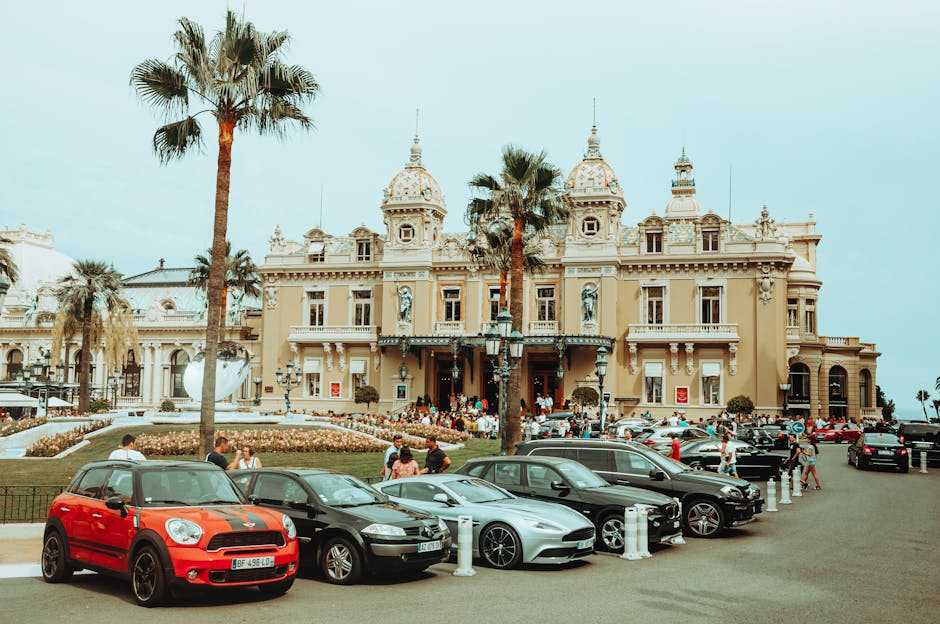
The Casino de Monte Carlo officially opened in 1863. More than a building, it was a statement. It said Monaco was done playing small. With its ornate architecture and strict entry standards, the casino screamed exclusivity. Royal backing gave it legitimacy, and soon, monarchs, magnates, and gamblers from across Europe followed.
It worked. The casino became a critical revenue stream and more importantly the cornerstone of Monaco’s global brand. What was once an afterthought on the Mediterranean map had secured its future by betting big and smart.
Monte Carlo’s Symbol of High Society
Monaco didn’t get its reputation by accident. The principality made a calculated move early on: sell luxury, hard. In the 19th century, the royal family and its partners branded Monte Carlo as the place where the world’s richest could escape, gamble, and be seen. They weren’t just building a casino they were building a myth. The Casino de Monte Carlo wasn’t accessible to everyone, and that was the point. Opulence was the product.
To cement this image, Monaco subtly courted European aristocrats, international royals, and, later, Hollywood icons. The message was clear: if these people play here, so should you assuming you belong. In the mid 20th century, movie stars like Grace Kelly (who later became Princess of Monaco) brought more than glamor they brought global visibility. It was high end marketing before influencer culture even had a name.
Then came James Bond. Films like “GoldenEye” and “Casino Royale” immortalized Monte Carlo’s tables. Bond didn’t just gamble he did it in tuxedos with champagne under crystal chandeliers. Watching him meant aspiring to his world. Suddenly, Monaco wasn’t just a casino destination. It was a lifestyle fantasy wrapped in pop culture and prestige.
The strategy worked. Even today, Monaco doesn’t just offer gambling it sells status. And that image has been remarkably durable.
Laws, Taxes, and Clever Concessions
Monaco’s transformation into a global casino destination wasn’t just built on glitz and glamour it was guided by smart, unconventional policies. From unique gambling laws to a tax structure designed to attract the world’s wealthiest, the tiny principality played its cards wisely.
Why Monaco’s Citizens Can’t Gamble
To preserve the principality’s reputation and maintain a sense of ethical distance, Monaco enforces a surprising rule: citizens are not allowed to gamble in local casinos.
Monegasque nationals are banned from entering the gaming floors of Monaco casinos
The original intention was to protect residents from the social consequences of gambling
This law ensures that gambling remains a tourist driven revenue stream, not a domestic issue
A Tax Haven in the Riviera
Monaco’s lucrative tax policies are a major part of its magnetism especially for the ultra wealthy seeking a glamorous yet financially advantageous lifestyle.
No income tax for individuals living in Monaco (with minor exceptions)
Encourages high net worth individuals from around the world to relocate
The tax haven status, combined with luxury living, boosts the tourism driven economy
Strategic Policies That Welcome the World’s Elite
Monaco’s government has consistently prioritized policies that favor tourism, especially from high income visitors. These policies extend beyond luxury hotels and real estate to include:
Tourist friendly visa and investment regulations
Security and cleanliness initiatives that reinforce its reputation as safe and elite
Casino licensing designed to keep control with the state while inviting global participation
Monaco didn’t just build casinos it built an ecosystem where global wealth feels at home, and where the rules are quietly tailored to support elite tourism without disrupting local stability.
Ultra Luxury Meets Ultra Control

Monaco was never aiming for mass tourism. From the start, the principality understood that exclusivity wasn’t just branding it was policy. Regulation became the quiet architecture behind the reputation. The government didn’t flood the market with licenses or casinos. Instead, they focused on sharp boundaries and close control. Fewer venues, more oversight. That’s how they built trust with high net worth clients who expect discretion and standards.
Inside the casinos, rules get even tighter. Dress codes aren’t just about formality they’re filters. A tux requirement does more than keep up appearances. It sends a message: this place isn’t for everyone. Likewise, behavior is monitored subtly but constantly. From polite dealers to discreet security, everything runs like a high gloss machine tuned for civility.
Officials also keep watch behind the curtains. Compliance checks, age restrictions, and strict anti money laundering measures aren’t promotional materials but they’re part of the product. For Monaco, the spotless image is no accident. It’s regulation paired with careful curation. That’s the real house edge.
Technology and the Casino Renaissance
Monaco could’ve clung to nostalgia and coasted on its image. Instead, it adapted quietly but effectively. Behind the chandeliers and velvet ropes, tech innovation slipped in. Smart tables that track chips and bets in real time are now standard in high traffic areas at the Casino de Monte Carlo. These systems cut down on dealer errors, speed up gameplay, and feed valuable data back to management. It’s still traditional gaming but far more efficient.
Then came immersive experiences. Monaco didn’t just digitize gaming; it brought storytelling and interactivity into the fold. Some high end rooms now offer hybrid games blending classic roulette with AR overlays and dynamic lighting. It’s less theme park, more theater but designed for adults who don’t want to give up elegance for screens.
Perhaps the biggest shift? Cryptocurrency. Select salons now accept crypto from vetted players, a move that was unthinkable a decade ago. It’s still tightly regulated, but it opens the door for a new wave of global wealth that expects frictionless, decentralized transactions. The pivot has been cautious but calculated.
For a closer look at how crypto is redefining the floor in Monte Carlo, check out The cryptocurrency effect: how crypto is changing the game in Monte Carlo.
Monaco’s Position in the Global Gambling Scene
When it comes to global gambling powerhouses, Vegas has the spectacle, Macau has the scale, and Singapore brings polish and regulation. But Monte Carlo plays a different game. It doesn’t need towering neon signs or sprawling mega resorts. What it offers is heritage an old world elegance that high rollers still crave.
Vegas is fast and loud. Macau thrives on volume. Singapore blends luxury with strict control. Monte Carlo, meanwhile, sticks to intimacy, status, and discretion. For ultra wealthy gamblers, it’s less about the jackpot and more about the experience the five star service, the tuxedo required tables, the quiet nods of recognition from staff who already know your name and drink order.
Monaco banks on atmosphere, and it’s doubling down. Lately, we’ve seen the rise of experiential gambling custom game rooms, private dealers, art meets design gaming lounges. Think less casino floor, more salon. It’s not about pumping quarters into a machine; it’s about curated evenings that blend high stakes betting with gourmet dinners, live music, and personal security.
Luxury betting is shifting. The bet isn’t just money it’s the expectation of being treated like legacy royalty. That’s where Monte Carlo stands alone. Other cities chase traffic; Monaco earns loyalty.
The Future of Prestige Gaming in Monte Carlo
Monaco’s casino culture has always walked a tightrope between tradition and reinvention. That balancing act is only getting trickier.
Digital finance, led by cryptocurrencies and blockchain based payments, is starting to impact even the most buttoned up venues. Some players want fast, anonymous transactions. Others expect digital wallets and tech savvy service. Monte Carlo isn’t ignoring the trend it’s testing integrations quietly, updating back end systems, and feeling out crypto friendly concierge models.
Younger generations many raised on gaming apps and digital assets aren’t drawn to clunky table minimums or dress codes. They want luxury, but they also value access, gamified touchpoints, and personalization. As demographics shift, the next wave of high rollers might look less like Old World nobility and more like global tech entrepreneurs or NFT rich investors.
Still, Monte Carlo knows what makes it unique: atmosphere, legacy, unshakable refinement. The challenge moving forward is how to adapt the mechanics of gaming without wrecking the mood. Not all change has to be loud. Sometimes, the smartest innovation happens behind the curtain.
For a closer look at how crypto is quietly transforming Monte Carlo’s casino ecosystem, read Crypto’s growing footprint in Monte Carlo’s casino scene.